Container Planting Dates by ZIP Code
Type your ZIP and pick a crop to get indoor-sow, transplant, and direct-sow dates tuned for pots — no account, nothing stored.
Updated 2026-09-23 · Sources below
Use the tool in 3 steps
- Enter your ZIP — or pick a zone. The built-in frost table covers a sample of 15 ZIPs drawn from NOAA 1991–2020 normals. If yours misses, choose your USDA zone from the fallback picker instead. Find your zone on the USDA zone map.
- Pick a crop and read four dates. You get indoor-sow, transplant, direct-sow, and fall-sow dates tuned for pots. Pots get no date shift — but the gate is soil warmth, so hold heat-lovers until mix stays above their floor (60°F tomato, 65°F pepper and cucumber). Pots under 5 gallons get flagged for tomatoes and peppers.
- Sanity-check against the forecast. Treat tool dates as a start window, not a promise: frost dates are 50-50 averages. Watch the ten-day forecast before moving pots out, and cross-check full ZIP coverage in the Almanac frost tables.
How the dates are worked out
Each date starts from your last spring frost and first fall frost. Indoor sow = last frost minus the crop’s indoor weeks. Transplant = last frost plus a buffer. Direct sow = last frost plus an offset. Fall sow = first frost minus days to crop plus two weeks of slack.
Pots get no date shift. Pots warm faster but dry faster, so the gate is soil warmth: do not move heat-lovers out until potting mix holds above their floor (60°F tomato, 65°F pepper and cucumber). Pots under 5 gallons get flagged for tomatoes and peppers.
Garlic is fall-only: plant about 7 weeks before your first fall frost. It does not follow the spring math, much like your uncle’s holiday travel plans.
Sample data, not full coverage
Readers ask why some ZIPs miss. The built-in frost table is a sample of 15 ZIPs drawn from NOAA 1991–2020 normals, enough to serve many users but not full coverage. If your ZIP is missing, use the zone picker. For the deepest ZIP lookup, the Almanac frost tables beat us — use them and come back for the pot-side advice.
Common mistake: sowing by the packet alone. Packets assume garden beds. In pots, hold tender crops until nights stay warm. A common question on garden forums is “my seeds sprouted, then stalled” — cold mix is usually why.
Bottom line: we suggest you treat these dates as a start window, not a promise. Frost is a 50-50 average. Watch the ten-day forecast before you move pots out.
Quick answers
My ZIP is not found. What now?
Use the zone fallback picker — the built-in table is a 15-ZIP sample, not full coverage. Confirm your zone on the USDA zone map, and use the Almanac frost tables for the deepest ZIP lookup.
Are frost dates a guarantee?
No. They are 30-year averages — roughly 50-50 odds in any given year. Watch the ten-day forecast, and keep row cover handy for borderline nights.
Do pots shift the dates vs garden beds?
The dates stay the same, but pots add a warmth gate: mix in small pots swings with the air. Do not move heat-lovers out until the mix itself holds above their floor.
Does the tool give fall dates too?
Yes — fall sow is part of every result. Garlic is the exception: it is fall-only, planted about 7 weeks before first fall frost, and skips the spring math.
My seeds sprouted, then stalled. Why?
Usually cold mix. Packets assume warm garden beds; pots on a cold balcony run cooler. Wait for steady nights, or start indoors and transplant out.
Go deeper
- Fall planting in containers — what to do with your fall sow date.
- Tomato pot sizes — pots under 5 gallons get flagged for a reason.
- Old Farmer’s Almanac frost-date tables — full ZIP coverage.
- USDA Plant Hardiness Zone Map — confirm your zone for the fallback picker.
- NOAA NCEI U.S. Climate Normals — where the frost data comes from.
How we check our work
- Data: NOAA 1991–2020 frost normals, sample of 15 ZIPs.
- Math: rules in “How the dates are worked out” above; code in calculator.43902547.js.
- Tests: 10 known-answer date checks pass.
- Fresh: last check 2026-09-20; we re-check each year.
- Limits: sample ZIPs only; frost dates are 50-50 odds, not a promise.
Sources
- NOAA NCEI U.S. Climate Normals (1991–2020 frost data)
- USDA Plant Hardiness Zone Map (zone fallback picker)
- University of Maryland Extension: when to plant vegetables
- Clemson Extension Home & Garden Information Center
- Old Farmer’s Almanac frost-date tables (competitor reference — best for full ZIP coverage)
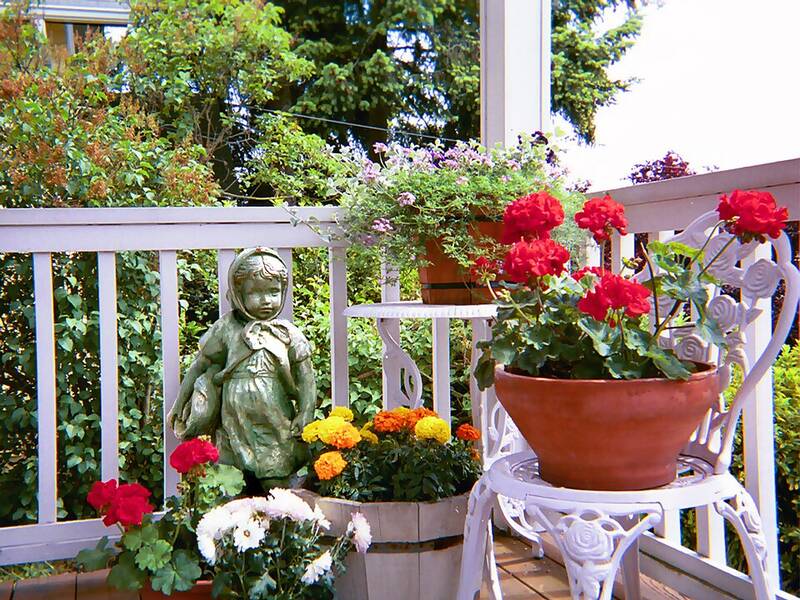
- Photo: Shakespeare, CC BY-SA 3.0, via Wikimedia Commons

Was this helpful?
Spot an error?